2026 Archive
Cambridge Healthtech’s 6th Annual
Future of Mental Healthcare
Reimagining the Next Generation of Care
April 27 - 28, 2026
Monday, April 27
8:00 amRegistration and Networking Breakfast
9:00 amOrganizer's Welcome Remarks
CHARTING THE COURSE—LEADERSHIP, STRATEGY & SYSTEMS TRANSFORMATION: SETTING THE VISION FOR THE NEXT ERA OF MENTAL HEALTHCARE—FROM NATIONAL STRATEGY TO SYSTEMIC INNOVATION
Navigating the Next Era of Mental Healthcare: Adapting to a Rapidly Changing Landscape
 Jennifer Cullen, President, Behavioral Services, Beth Israel Lahey Health
As the mental healthcare landscape rapidly evolves, this panel examines how leaders are adapting systems, strategies, and care models to meet rising demand and accelerate next-generation behavioral health. Framed within the Future of Mental Healthcare Summit’s mission of advancing innovation, quality, access, technology, prevention, and integrated care, the discussion will explore the operational, policy, and workforce shifts required to strengthen outcomes. Attendees will gain actionable insights to navigate change, cultivate collaboration, and move new models of care into practice more effectively.




Leading with Purpose: A Conversation on the Future of Mental Healthcare

In this candid fireside chat, Cara McNulty, DPA, CEO of Vibrant Emotional Health, is joined by Corbin Petro, President of Carelon Behavioral Health, for an inspiring leadership conversation on the challenges and opportunities shaping mental healthcare's future. Drawing on her career across corporate and nonprofit environments, Cara shares the pivotal moments and values that define her journey—and what bold, purpose-driven leadership must look like next.

Building Clinical Ecosystems for Innovation in Mental Health

Dr. John Torous, MD, MBI, Director of the Digital Psychiatry Division at Beth Israel Deaconess Medical Center (Harvard Medical School), will explore how aligning patients, clinicians, regulators, and technology can drive meaningful innovation in mental healthcare. Drawing on his research in digital mental health—including the LAMP smartphone app for depression, schizophrenia, and Alzheimer’s—he will highlight strategies for translating technology into real-world improvements in care outcomes.
Raising the Bar on Evidence-Based Behavioral Healthcare
 Rachel Goldberg, Vice President, Client & Provider Success, NovaOne
In a world of point solution fatigue, inflated network claims and unvalidated “care,” it is harder than ever for health plans and employers to separate behavioral health substance from noise. In this 30-minute talk, Rachel Goldberg, Vice President of Client and Provider Success at NovaOne, breaks down what is broken in today’s behavioral health marketplace and what “BH not BS” looks like in practice: evidence-based clinical models, validated screening tools, provider accountability and outcomes you can measure.Attendees will leave with: how to spot phantom coverage, what to require from provider partners, and a simple checklist for evaluating behavioral health solutions with clinical rigor.
11:05 amCoffee Break in the Exhibit Hall
SCALING IMPACT IN MENTAL HEALTH: INNOVATION, COLLABORATION, AND RESILIENT MODELS
Scaling Access and Quality in Mental Healthcare
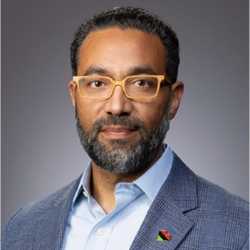
Despite progress in recent years, many Americans still face steep barriers to mental health care, including issues with affordability, stigma, provider shortages, and confusing care pathways. This discussion will explore the challenges facing mental health care today and practical strategies to address them, including ways to expand access, integrate behavioral health with primary care, and leverage technology to support better patient navigation.
Outcome-Driven, Resilient, and Sustainable Mental Health Models
 Maria Koshy, Chair of Chiefs of Psychiatry & Behavioral Health, Permanente Medical Group
This panel explores what it takes to build outcome-driven, resilient, and sustainable mental health models in an era of rising demand and rapid system change. Drawing on experience across integrated care, health policy, large-scale delivery systems, and population brain health, the discussion examines how organizations are redesigning care pathways, aligning incentives, strengthening workforce capacity, and leveraging data to advance measurable results. The conversation highlights scalable strategies that support long-term stability while improving access, quality, and whole-person outcomes.
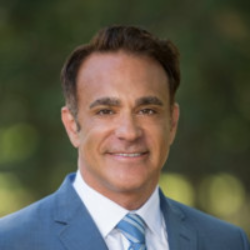



12:50 pmNetworking Luncheon (Sponsorship Opportunity Available)
Whole-Person & Team-Based Mental Healthcare (Collaborative Care)
 Debbie Witchey, President & CEO, The Association of Behavioral Health & Wellness
This panel examines how whole-person, team-based mental healthcare models are reshaping access, coordination, and outcomes across diverse care settings. With perspectives spanning health plans, clinical leadership, behavioral–medical integration, and legal and regulatory considerations, the discussion explores practical strategies for scaling collaborative care, improving care navigation, and aligning stakeholders around shared goals. The session highlights how integrated teams can deliver more seamless, effective, and patient-centered behavioral health support.


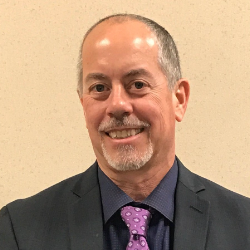

 The Hidden Cost of the Gambling Boom: Why Health Plans Need Specialty Behavioral-Addiction Care

The rapid expansion of legalized sports betting has introduced a new and largely unaddressed behavioral-health risk for health plans. Gambling disorder drives significant downstream costs through comorbid mental-health conditions, financial instability, and increased healthcare utilization of the whole family system. Yet most behavioral-health systems remain under-equipped to identify and treat it. This session examines the emerging economic impact of gambling disorder, why traditional behavioral health models fall short, and how specialized, structured treatment approaches can improve outcomes while reducing total cost of care.
2:55 pmRefreshment Break with Exhibit Viewing
THE FUTURE OF YOUTH BEHAVIORAL HEALTH: INTEGRATED, DIGITAL, AND PREVENTIVE CARE
Re-Imagining College-Student Mental Healthcare across Multiple Continuums

 Lindsey Mortenson, MD, MS, Chief Mental Health Officer & Executive Director & Assistant Professor, Medicine, University of Michigan
Within US higher education, there are significant challenges to delivering a comprehensive and accessible continuum of mental health care. Through their engaged and collaborative client-customer relationship, the University of Michigan and Uwill are partnering to optimize data sharing, reduce care fragmentation, and improve population insights. This presentation will highlight the novel and real-time insights that are emerging across several continuums (prevention to recovery, in-person to online, retrospective to predictive, physical to mental, basic to advanced needs).
Youth & Emerging-Adult Mental Health in a Digital Age
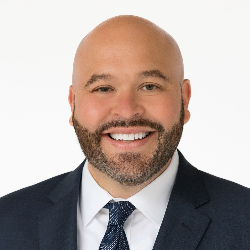 Marlon Morgan, Founder & CEO, Wellness Together
This panel explores the future of youth and emerging-adult mental health in a digital age, guided by a moderator with expertise in global digital mental health initiatives. Panelists bring experience in youth-focused mental health advocacy, digital literacy, and education outreach. The discussion examines how technology, media, and digital tools can support prevention, engagement, resilience, and early intervention, while addressing challenges such as online safety and equity. Attendees will gain insights into strategies for leveraging digital platforms to promote scalable, impactful mental health solutions for younger populations.


CASE STUDY: Transforming Care across Borders: Lessons from Canada’s Mental-Health System and a Comparative Look at Integrated-Care Innovation and System-Level Outcomes
 Nazanin Alavi, MD, FRPC, Co-Program Medical Director, Mental Health & Addiction Care, Kingston Health Sciences Centre
This case study explores how Canada’s mental health system is advancing integrated care, technology-enabled innovation, and cross-sector collaboration to improve outcomes at scale. Through real-world examples from clinical care, health-system design, and neuroinformatics, the session highlights approaches that bridge data, service delivery, and patient needs across regions and care settings. The discussion offers transferable strategies and lessons that can inform more coordinated, effective, and future-ready models of mental healthcare.
4:55 pmClose of Day
Tuesday, April 28
7:30 amFuture of Mental Healthcare Fun Run!
Lace up and join Eileen Murphy, the Future of Mental Healthcare Coordinator, for the Fun Run on Tuesday, April 28th! Sprint, jog, walk, or talk-your-way-through—ALL abilities are welcome. This informal event is all about getting moving together. Full details to come…just don’t forget your sneakers! Meet us on the Plaza Level of the hotel at 7:30 am sharp! See the full Fun Run route here!
8:00 amRegistration and Networking Breakfast
INVESTING IN THE FUTURE—AI, TECHNOLOGY, CAPITAL & COMPASSIONATE LEADERSHIP
Responsible AI & Technology in Mental Healthcare
 Maeghan Gilmore, Vice President, Government Affairs, The Association for Behavioral Health and Wellness (ABHW)
This panel explores the responsible use of AI and technology in mental healthcare, focusing on innovation, ethics, and practical implementation. Panelists bring expertise in digital health strategy, behavioral health delivery, and technology-enabled care solutions. The discussion will examine how AI and emerging tools can enhance access, personalize care, and improve outcomes, while addressing privacy, equity, and regulatory considerations. The session highlights strategies for integrating technology responsibly to advance effective, patient-centered mental healthcare.


Smart Systems, Compassionate Care
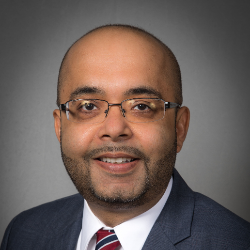
 Gregory Harris, Senior Medical Director, Mental Health, Blue Cross Blue Shield Massachusetts
This fireside chat examines how integrated, data-savvy systems can support deeply compassionate mental healthcare—drawing on decades of experience in public health, primary care psychiatry, and insurance-based care delivery. The discussion highlights innovations in care coordination, coverage design, and value-based mental health models that expand access and improve outcomes. Attendees will come away with practical ideas for bridging payer, provider, and public health perspectives to make mental healthcare both smarter and more human.

Mentoring & Investing in the Future Leaders of Mental Health Innovation
 Sara J. Shnider, PhD, Senior Director, One Mind Accelerator
As a member of the One Mind Accelerator Leadership Team, Sara Shnider has a front row seat to the future of mental health innovation. She focuses on sourcing, mentoring, and growing the companies that have the potential to make the biggest impact on mental health research, therapeutics, services, and outcomes. This session will highlight the accelerator’s approach, its ecosystem of payers, providers, biopharma industry leaders, investors, and scientists, and its portfolio of companies.
10:35 amCoffee Break with Exhibit Viewing
Smart Capital, Smarter Care: Scaling Mental-Health Innovation through AI and Investment
 Marjorie Morrison, CEO & Founder, Psych Hub
This panel examines the investment landscape shaping the future of mental healthcare, with a focus on AI-driven innovation and scalable solutions. Panelists bring expertise in venture capital, health policy, and strategic growth in behavioral health. The discussion will explore emerging opportunities, funding strategies, and partnership models that accelerate the development and adoption of technology-enabled mental health solutions, highlighting how smart capital can drive smarter, more effective, and sustainable care for patients and providers alike.


Wellness, Prevention & Proactive Mental Health
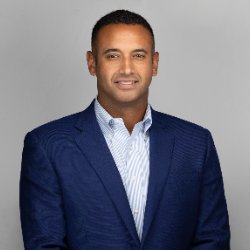
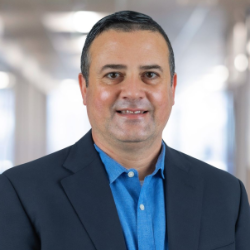 Mason S. Turner, MD, Senior Medical Director for Behavioral Health, Intermountain Healthcare
This panel explores proactive approaches to mental health, emphasizing wellness, prevention, and early intervention. Guided by a leader in behavioral health innovation, the discussion highlights strategies that integrate mental health and addiction services with primary and specialty care, leverage technology to expand access, and prioritize the patient voice. Panelists will examine evidence-based approaches for promoting resilience, preventing illness, and building systems that support mental well-being across diverse populations and care settings.



12:40 pmClose of Conference